
The first really cold morning always seems to sneak up on me. One minute we’re enjoying the patio, and the next I’m digging out coats and wondering whether I disconnected the garden hoses.
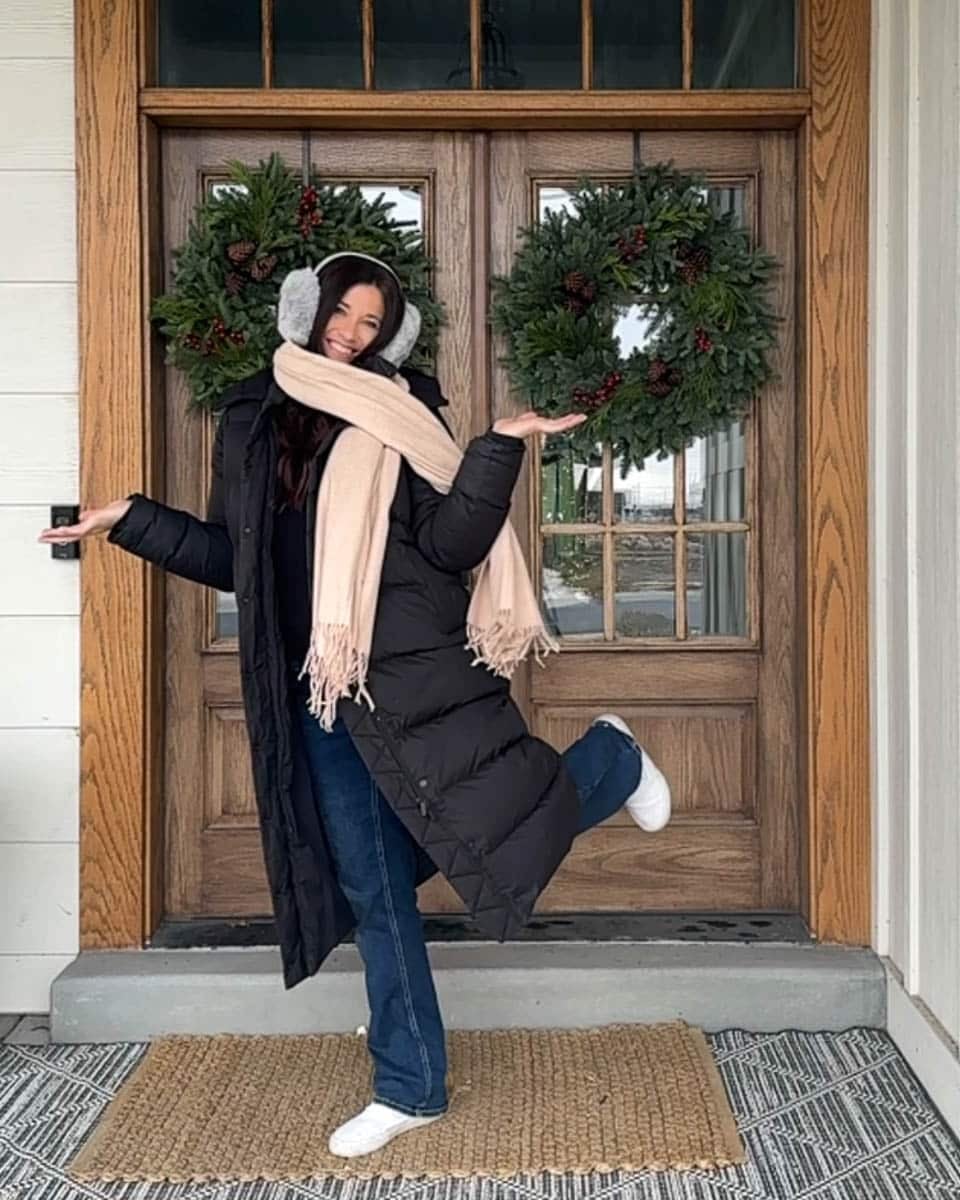
Getting the house ready for winter doesn’t have to turn into a huge project. A few small jobs now can help protect the things outside and make the inside feel more comfortable when the temperature drops.
These are the eight things from my winter prep Instagram post, with a little more detail to help you work through your own home. Some are quick swaps, and others are a good reminder to check what your home and equipment need before freezing weather arrives.
1. Disconnect Your Hoses and Cover Outdoor Faucets
Outdoor faucets are easy to forget once watering season is over. Before temperatures drop, disconnect your garden hoses, drain them, and put them away for winter.
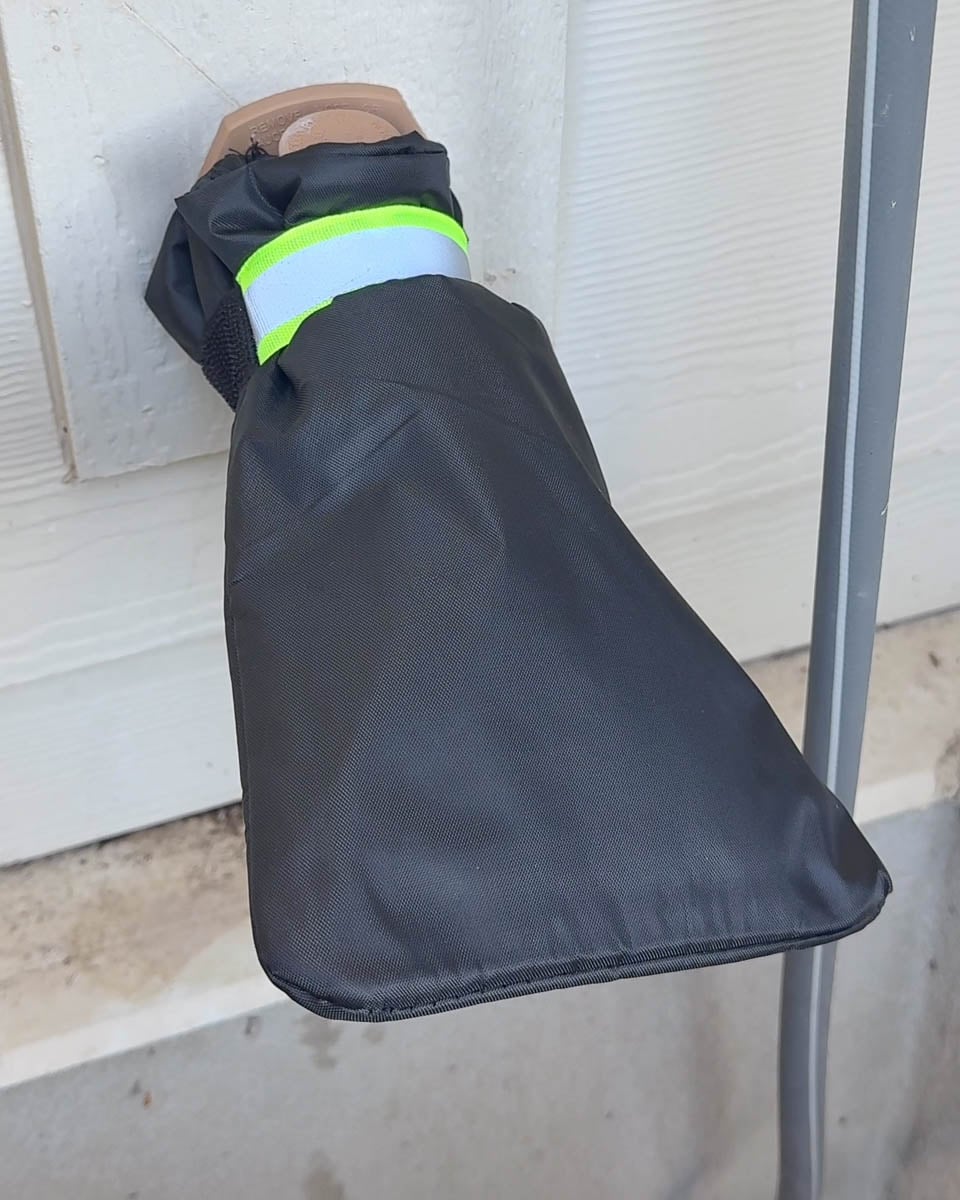
Then add an insulated faucet cover that fits snugly against the house. It’s a small item that’s easy to keep with your seasonal supplies so you can reuse it next year.
A cover adds insulation, but it doesn’t replace properly winterizing your plumbing. If your outdoor faucet has an indoor shutoff, follow the instructions for shutting off and draining that line. Your sprinkler system may need its own winterizing appointment, too.
2. Get Your Pool Ready for Winter
If you have a pool, add this one to your list before you put the cover on and call it done.
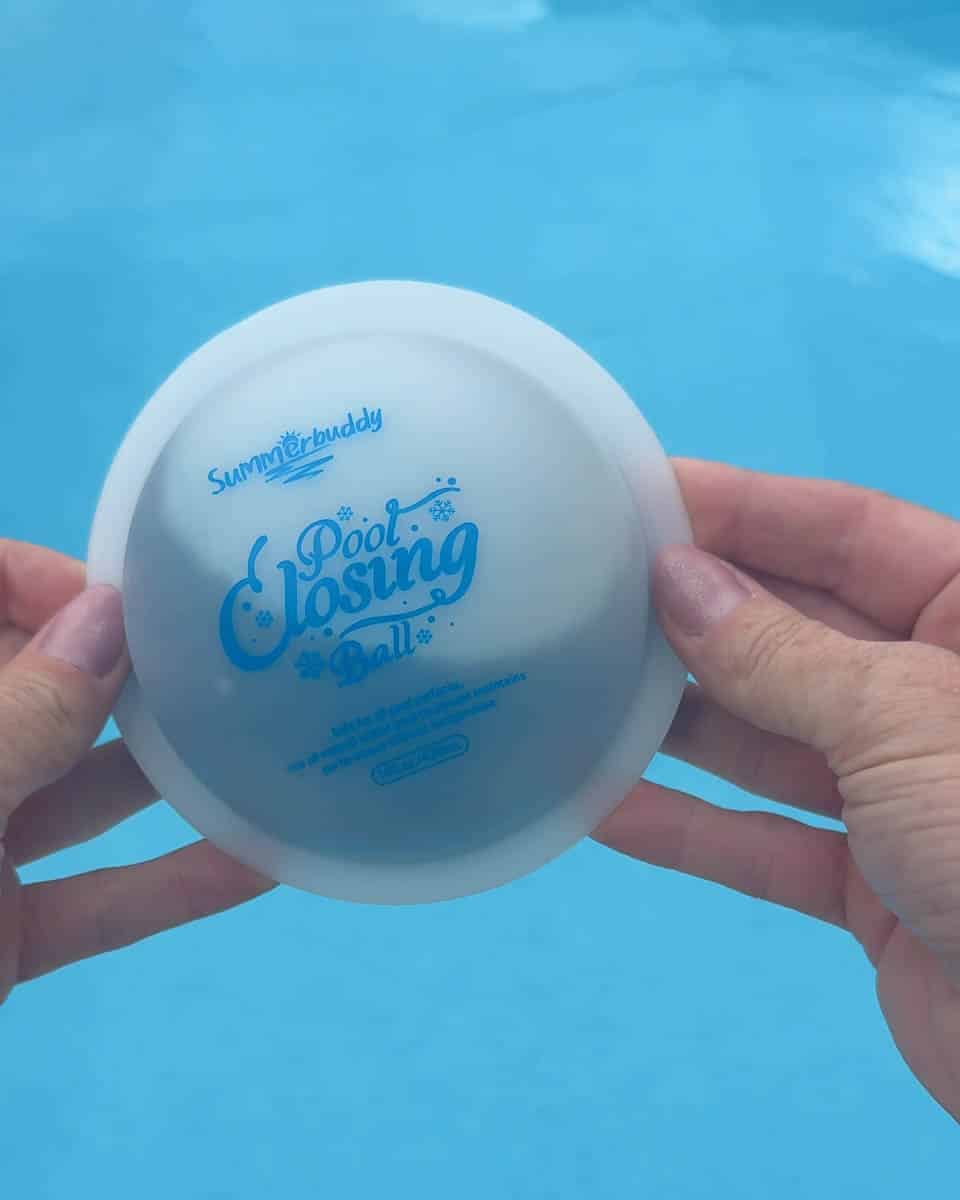
Before closing the pool I make sure to give the pool one last good cleaning and check to make sure my chemicals are balanced. After that is done we then winterize the plumbing and equipment. If you have an in-ground pool a pool company can do that for you. We have done it ourselves for a few years. But I am not an expert on that so I don't want to tell you how to do it an lead you astray.
After everything is done I throw in this pool closing ball. It helps to keep my water stabilized during the winter. But it doesn’t protect pipes or equipment from freezing.
3. Protect Outdoor Plug Connections
Between outdoor lights and seasonal decorations, there always seems to be something plugged in outside. This waterproof safety cover is a handy way to add protection around compatible cord connections.
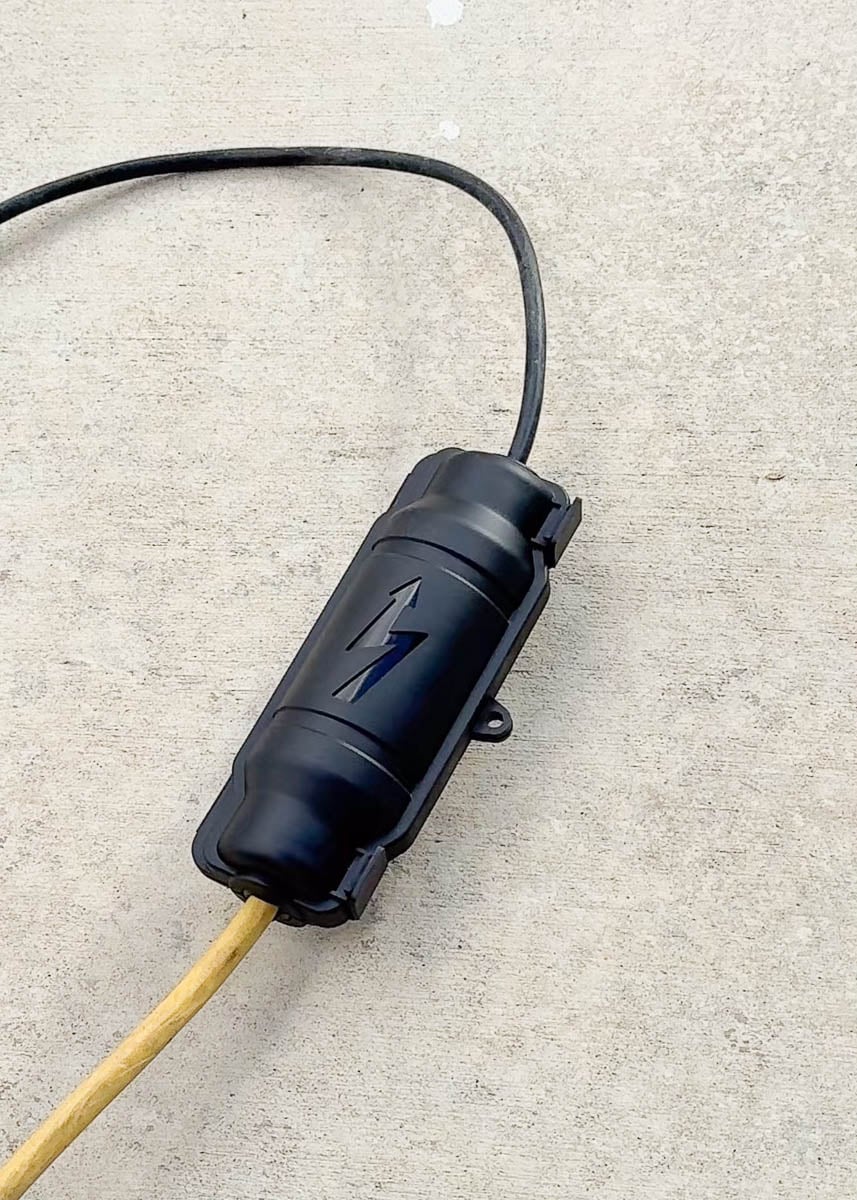
Before using one, check its outdoor weather rating, cord fit, and placement instructions. Pair it with cords and decorations rated for outdoor use, and keep connections out of standing water or places where melting snow collects.
Use a GFCI-protected outdoor outlet and keep the outlet’s required weatherproof cover in place. A separate cord connection cover is an accessory; it doesn’t turn an indoor cord into an outdoor one.
4. Check Whether Your AC Unit Needs a Top Cover
My favorite AC cover sits over the top of the outdoor AC unit while leaving the sides open.
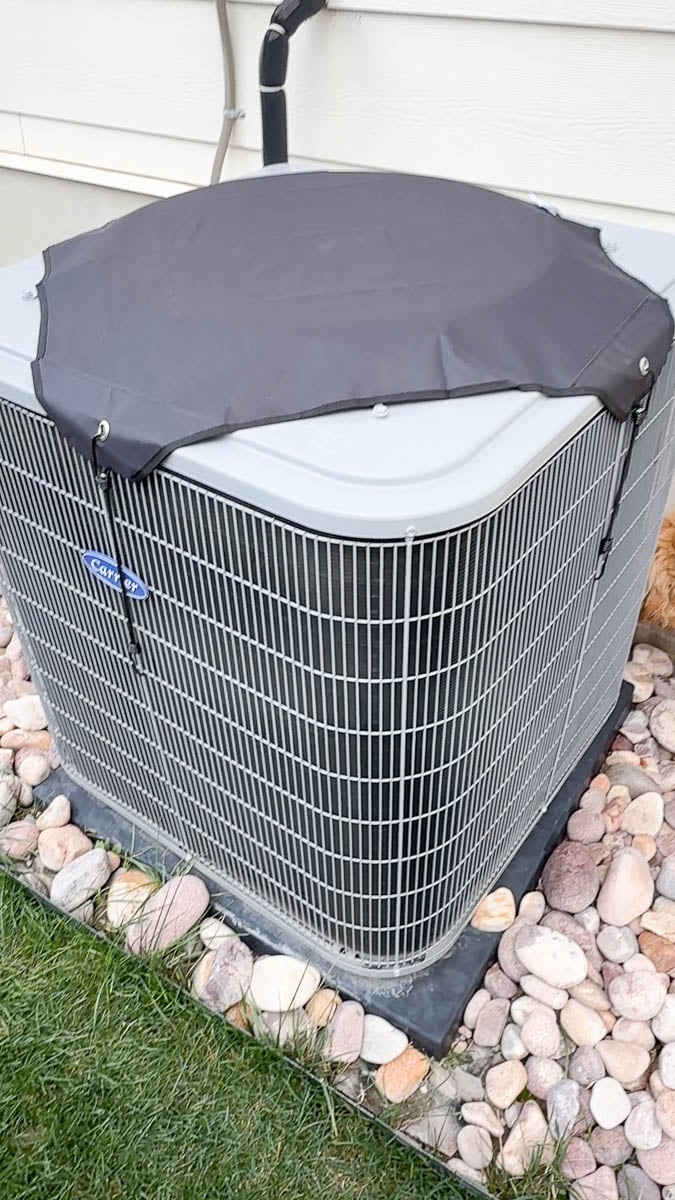
I like this options because a full cover can trap moisture, encourage mold and corrosion, and create a cozy hiding spot for rodents. Covering only the top allows for air flow all while helps keep leaves, debris and water from collecting on the inside.
5. Check for Pest Entry Points
Don't forget to spray around the outside of the house to help keep bugs out. Before reaching for a product, take a quick look around doors, window frames, and places where pipes enter the house.
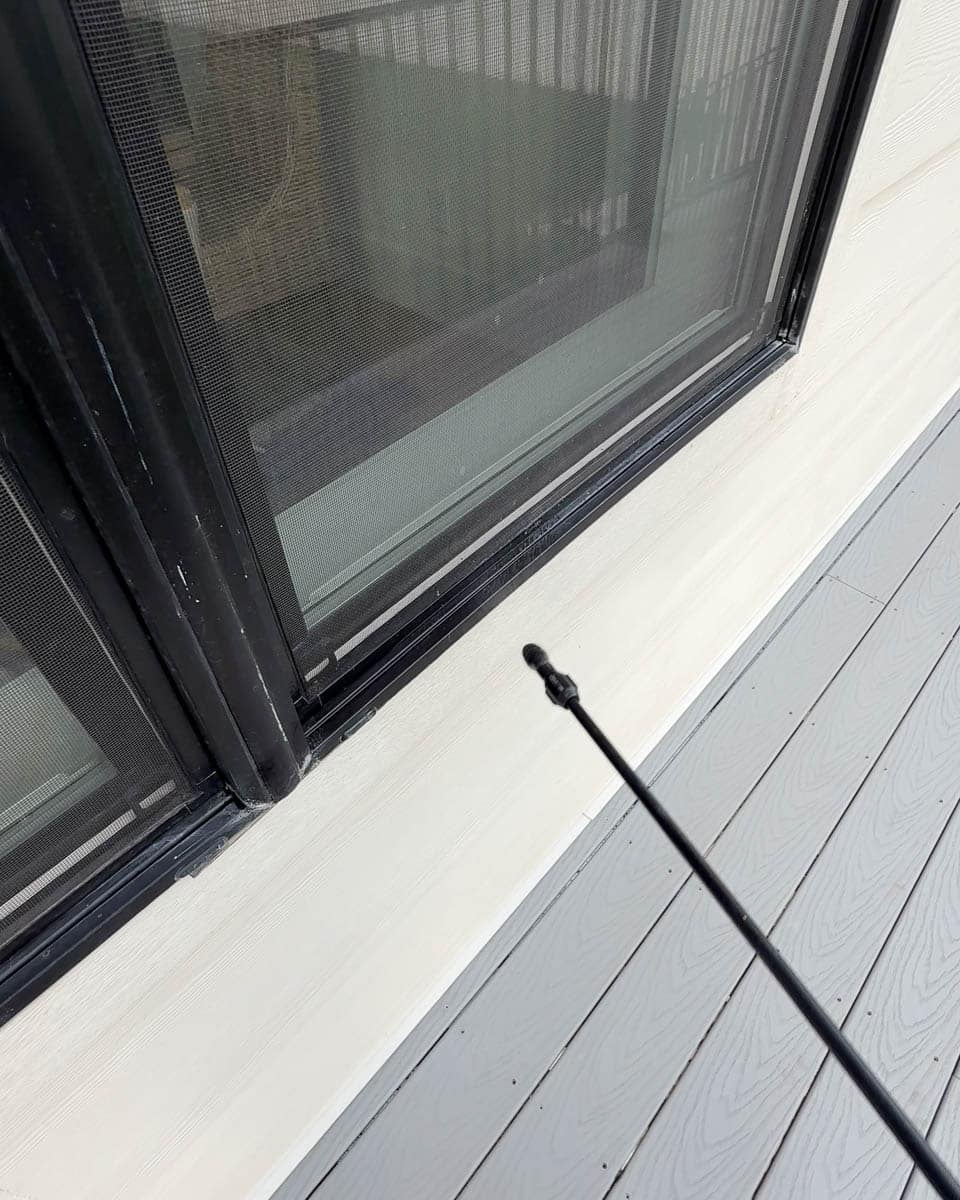
Repair damaged screens, replace worn weatherstripping, and seal appropriate gaps. Those small openings are worth addressing as part of your fall maintenance routine.
I have had really good luck with this pest spray year around. One bottle of concentrate has lasted me over a year now!
6. Cover Your Outdoor Furniture
Get your outdoor furniture covered, this is one of those seasonal jobs I’m always glad to have finished before the weather changes.
Start by cleaning your furniture and letting it dry completely. Put away cushions and other soft pieces according to their care instructions, then secure properly fitted covers over the furniture.
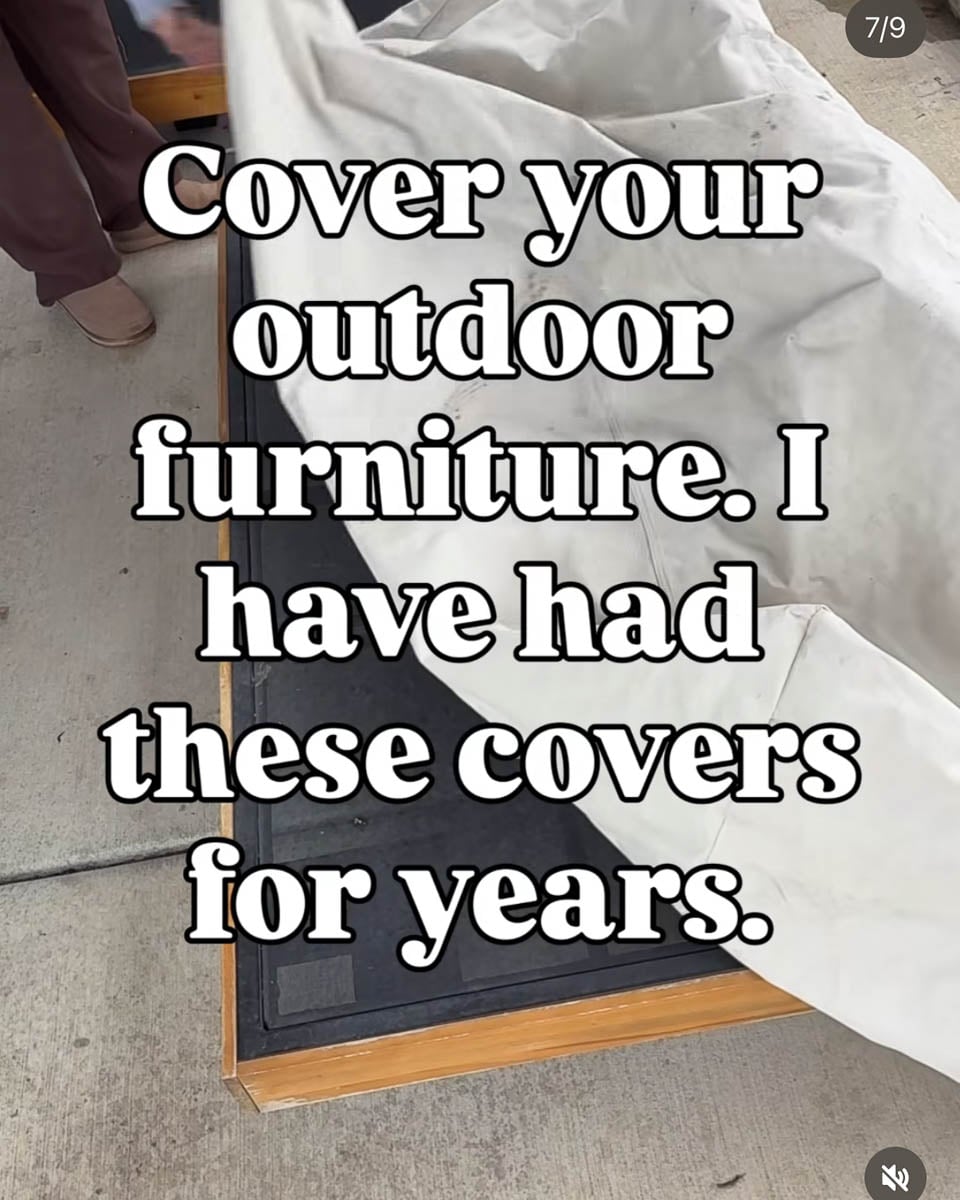
I have really loved these covers they have secure straps and ventilation. I do like to check them occasionally through winter so pooled water, snow, or a loose corner doesn’t go unnoticed.
7. Check Airflow in Rooms That Feel Too Hot or Too Cold
Do you have one room that never seems to match the rest of the house? Before heating season gets going, check that furniture, rugs, and curtains aren’t covering supply vents or return grilles.

This vent fan is worth giving its own spot on the list, but check the exact model and compatibility before ordering. If you’re considering a register booster fan, measure your register opening and follow the product’s installation instructions.
8. Check Your Furnace Filter
Before the furnace starts working through cold weather, check the filter. This is a quick maintenance job that’s easy to push down the list until you pull out the old one and see how dirty it is.
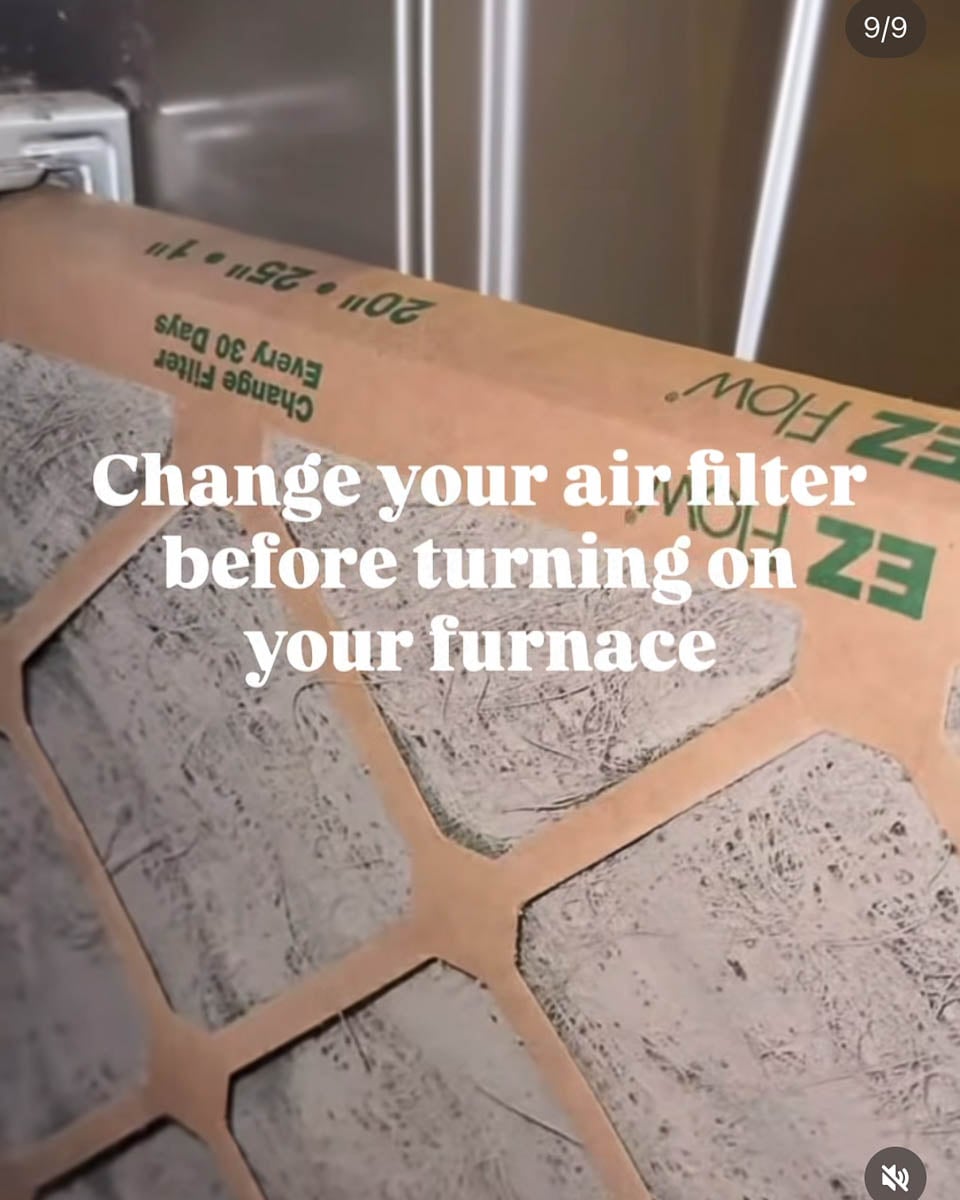
Replace a dirty disposable filter with the size and type recommended for your system. Check the airflow arrow when installing it, and follow your equipment instructions for safe access.
Set a reminder to check it regularly during heating season. How often it needs replacing depends on the filter, your system, and your household—especially if you have pets. A clogged filter restricts airflow, so this small task deserves a regular spot on the calendar.
Save This Winter Home Prep Checklist
Here’s the quick version to work through before freezing weather arrives:
- Disconnect and drain garden hoses; winterize outdoor faucets and add covers.
- Close and winterize the pool if you have one.
- Check outdoor cords, outlets, and connection protection.
- Follow your AC manufacturer’s guidance on winter covers.
- Check pest entry points and use treatments only as labeled.
- Clean, dry, and cover outdoor furniture.
- Check airflow in rooms with uneven temperatures.
- Inspect and replace a dirty furnace filter.
You don’t have to tackle everything in one afternoon. Start with anything that needs to happen before a freeze, then work through the smaller jobs. Having these things done makes it a little easier to enjoy the cozy part of winter.
Happy Winterizing,
Brooke




Leave a Reply